Booklet A
Q1
Diversity
Living & non-living things2 marksWhich of the following organisms can make its own food?
- (1) fern
- (2) mould
- (3) beetle
- (4) mushroom
Filter the archive by paper year, by syllabus theme, or search for a concept. Every question shows its topic, marks and model answer — then practise the same set in quiz mode.
Showing 40 questions
Which of the following organisms can make its own food?
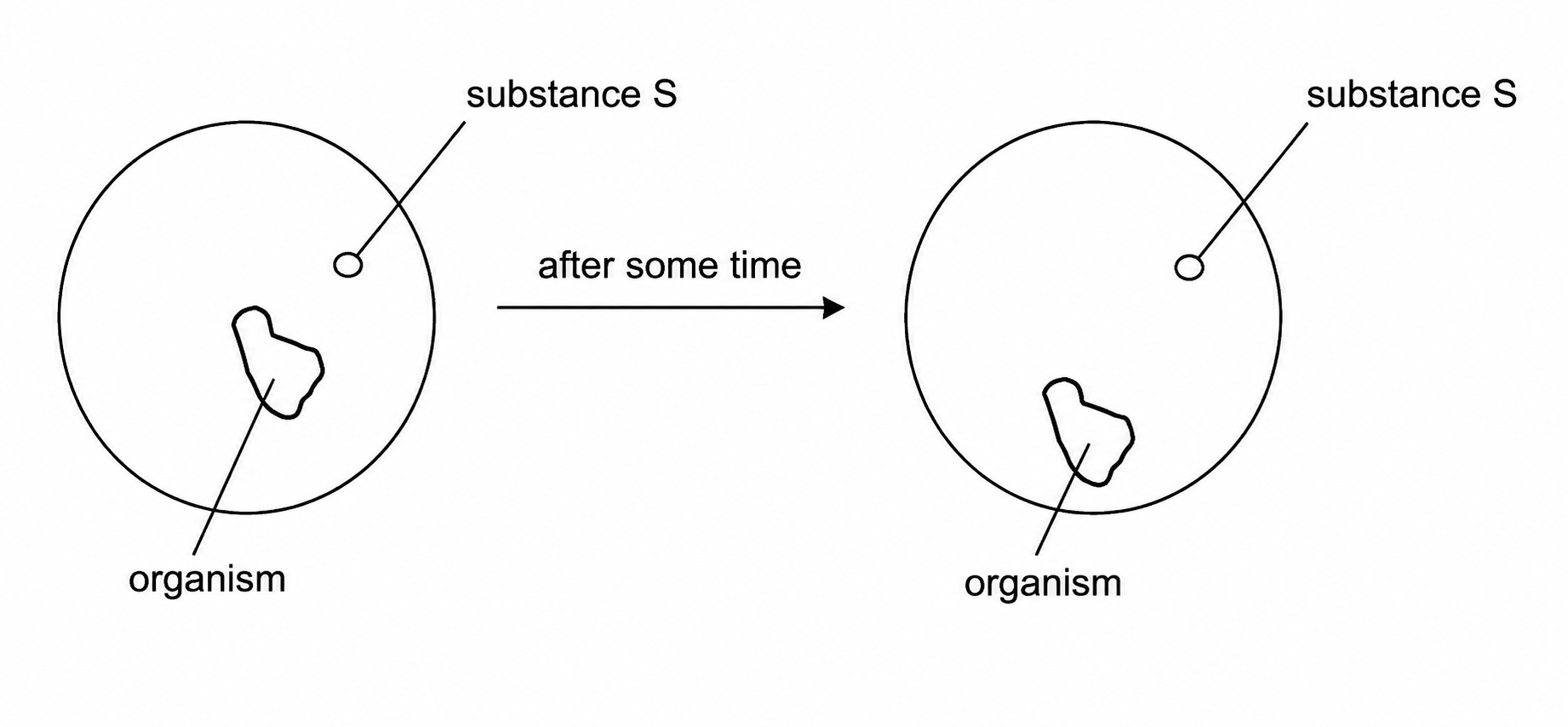
Mingfa observed a living organism under the microscope. Based on Mingfa's observation, which is the correct conclusion?
The arrows in the diagram below represent different processes. What do arrows A and B represent?
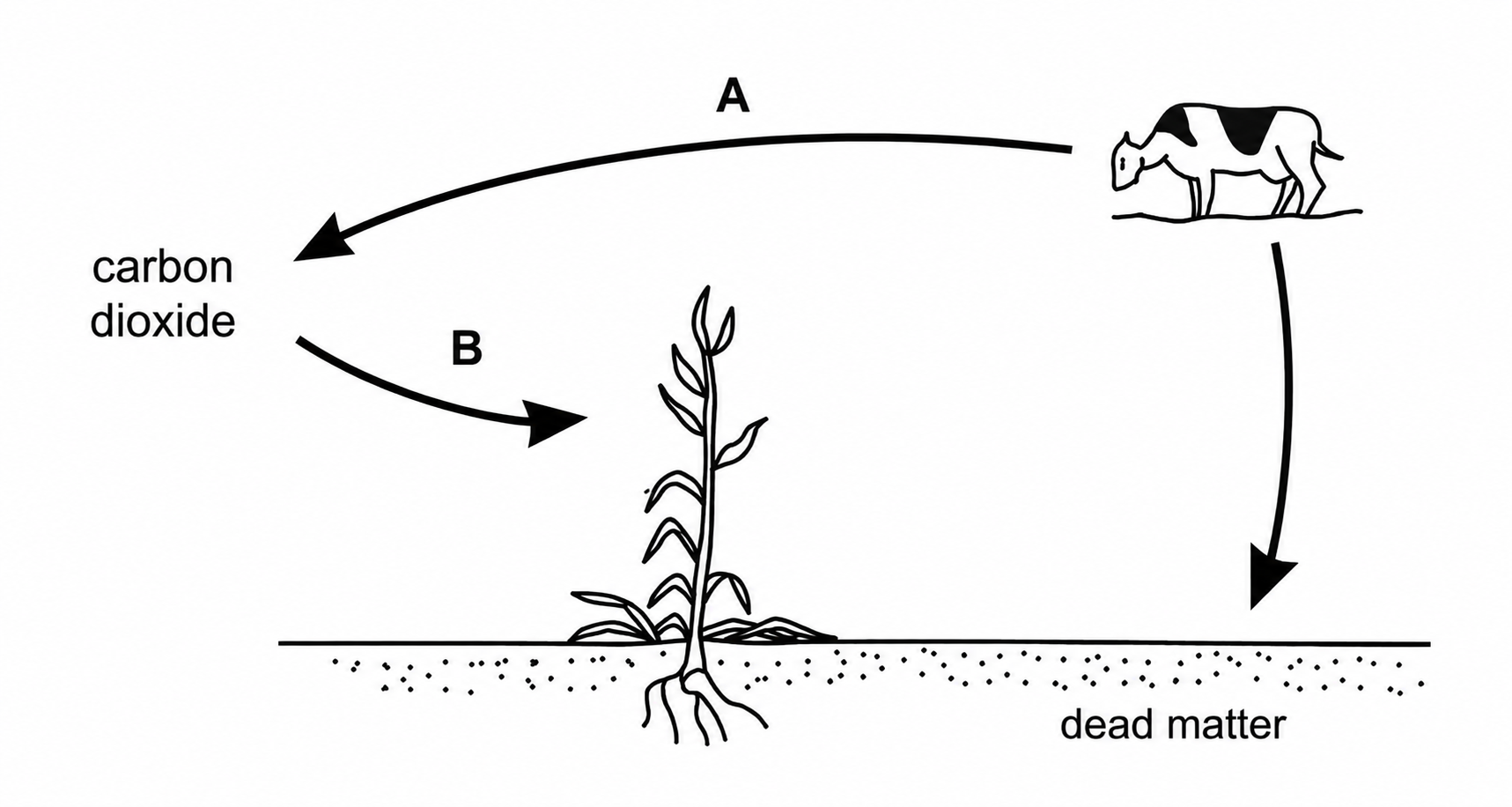
| A | B | |
|---|---|---|
| (1) | photosynthesis | decomposition |
| (2) | breathing | decomposition |
| (3) | photosynthesis | breathing |
| (4) | breathing | photosynthesis |
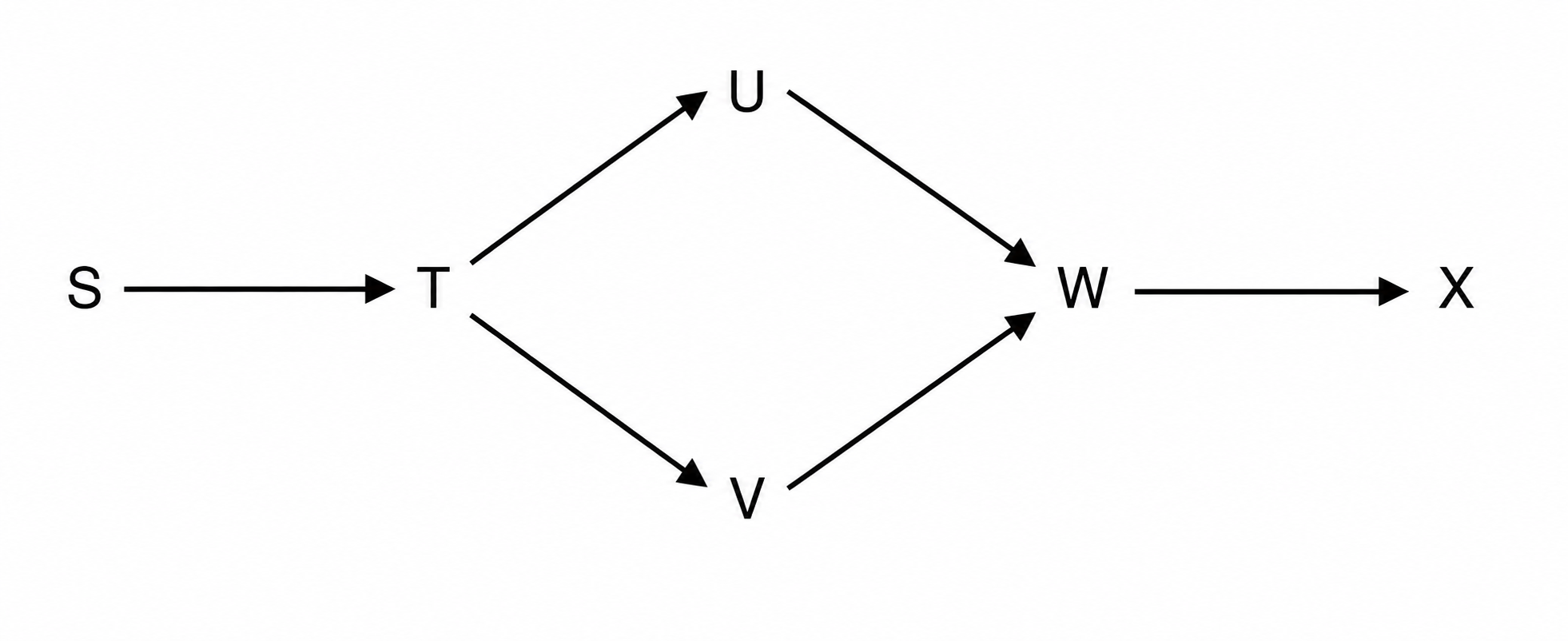
The diagram shows a food web in a habitat, where S, T, U, V, W and X represent different organisms. Which of the following is a correct conclusion?
Fertilisers help tiny floating plants to grow quickly and cover the surface of ponds. The following events took place when fertilisers from a farm entered a nearby pond: A The population of fish decreased. B The population of underwater plants decreased. C The amount of oxygen in the water decreased. D Sunlight could not reach organisms in the pond. Which shows the correct order of events?
The chart shows how substances P and Q are transported in the human body between systems Y and Z. What are systems Y and Z and substances P and Q?
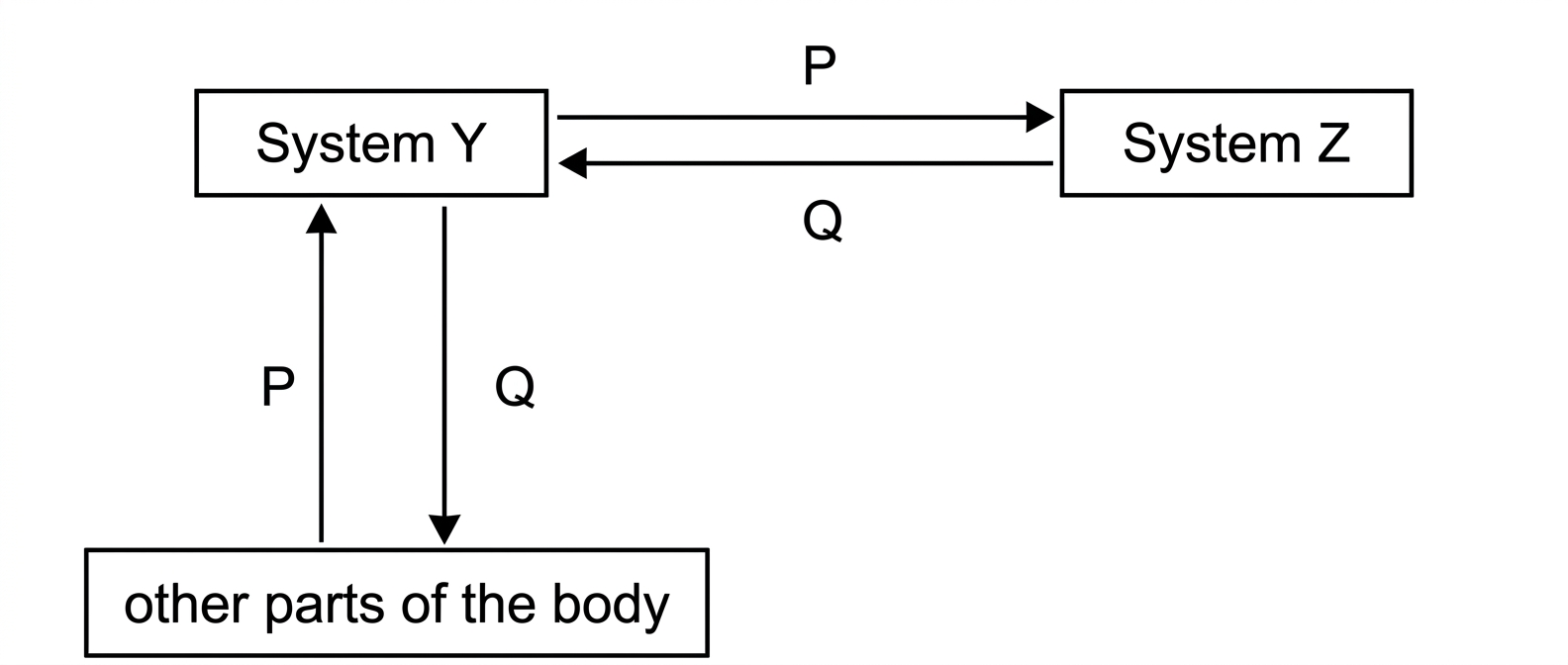
| System Y | System Z | P | Q | |
|---|---|---|---|---|
| (1) | respiratory | circulatory | carbon dioxide | oxygen |
| (2) | circulatory | respiratory | carbon dioxide | oxygen |
| (3) | respiratory | circulatory | oxygen | carbon dioxide |
| (4) | circulatory | respiratory | oxygen | carbon dioxide |
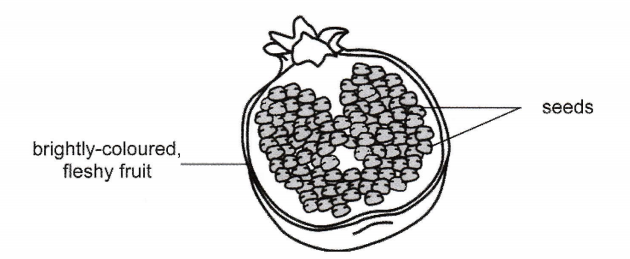
A pomegranate fruit was cut open, showing many seeds inside a fleshy fruit wall. Which of the following statements are correct? A The fruit and seeds were developed from a flower. B There were many ovules in the ovary. C The seeds were small and would be dispersed by wind. D Pollination and fertilisation had taken place.
Which of the following is NOT an impact of deforestation by cutting trees?
Which of the following shows how the mass of seed leaves changes during germination as the height of the young plant increases?
(1)
(2)
(3)
(4)
After harvesting their crops, farmers may leave behind some dead plants on the ground. How does leaving behind dead plants benefit these farmers?
The flower of plant Z hides its reproductive parts and gives off a strong smell. A gardener observes that the female part opens first for two days and then dies, before the male part opens and dies. How is plant Z pollinated?
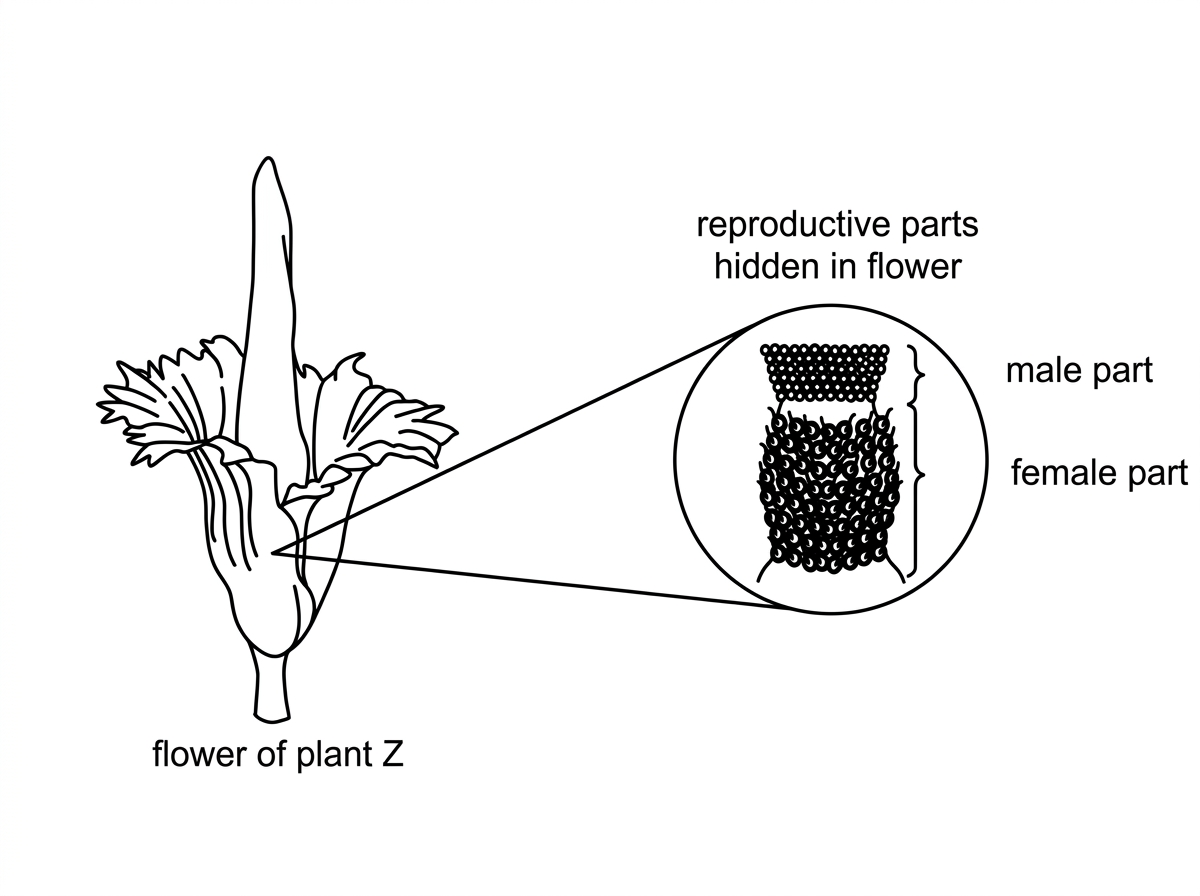
| method | within one flower or between 2 flowers | |
|---|---|---|
| (1) | insect | within one flower |
| (2) | wind | within one flower |
| (3) | insect | between two flowers |
| (4) | wind | between two flowers |
A, B, C, D and E are organs in the digestive system. The graph shows the amount of undigested food leaving each organ after a meal. Which of the following is correct?
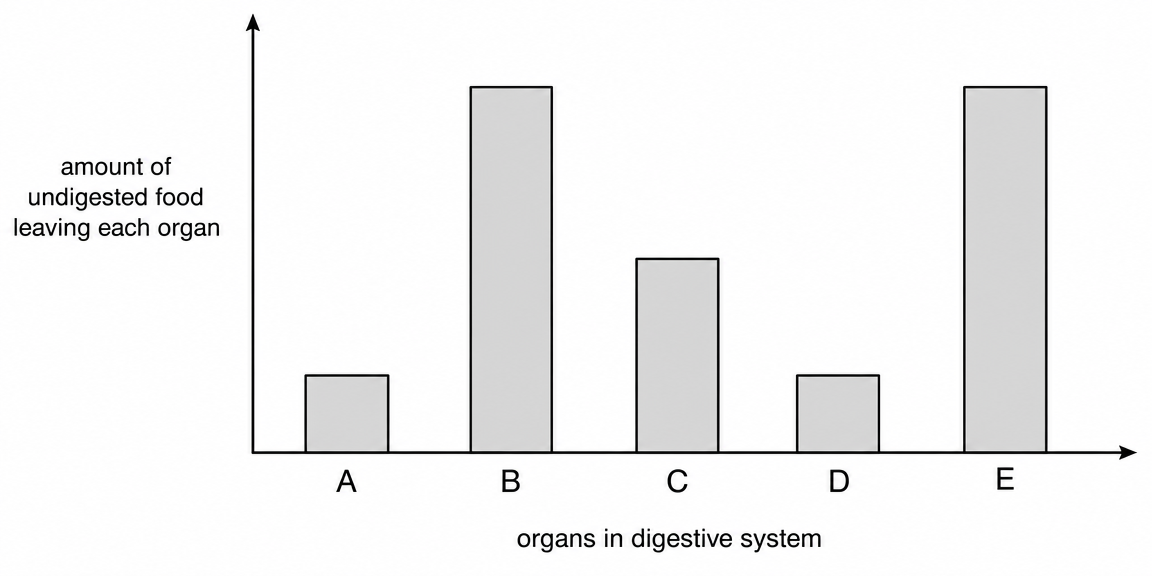
| Mouth | Gullet | Small Intestine | Large Intestine | |
|---|---|---|---|---|
| (1) | A | D | B | E |
| (2) | B | C | D | A |
| (3) | B | E | C | D |
| (4) | B | E | A | D |
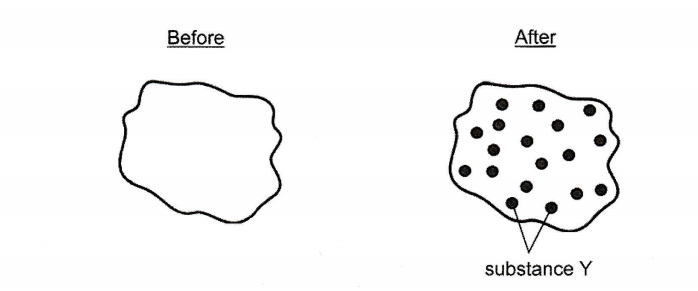
Farah observed some animal cells under a microscope before and after placing them in a liquid containing substance Y, and drew the change she saw. Which cell part allowed for the movement of substance Y into the cell?
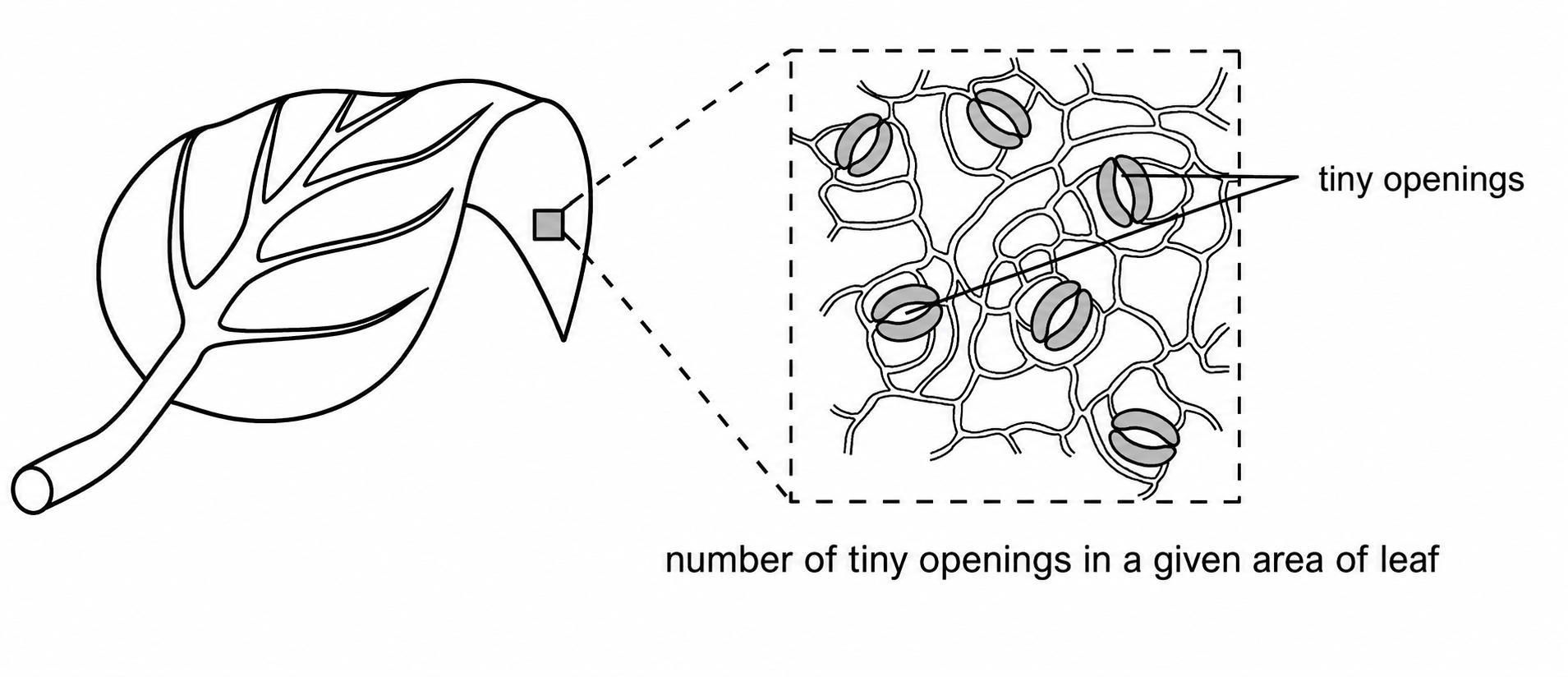
Liyan wanted to find out whether a type of plant growing in places with different amounts of carbon dioxide will have different numbers of tiny openings (stomata) in their leaves. Which of the following variables should she keep constant? A size of plant B number of tiny openings in a leaf C amount of carbon dioxide in the air D amount of photosynthesis in each plant
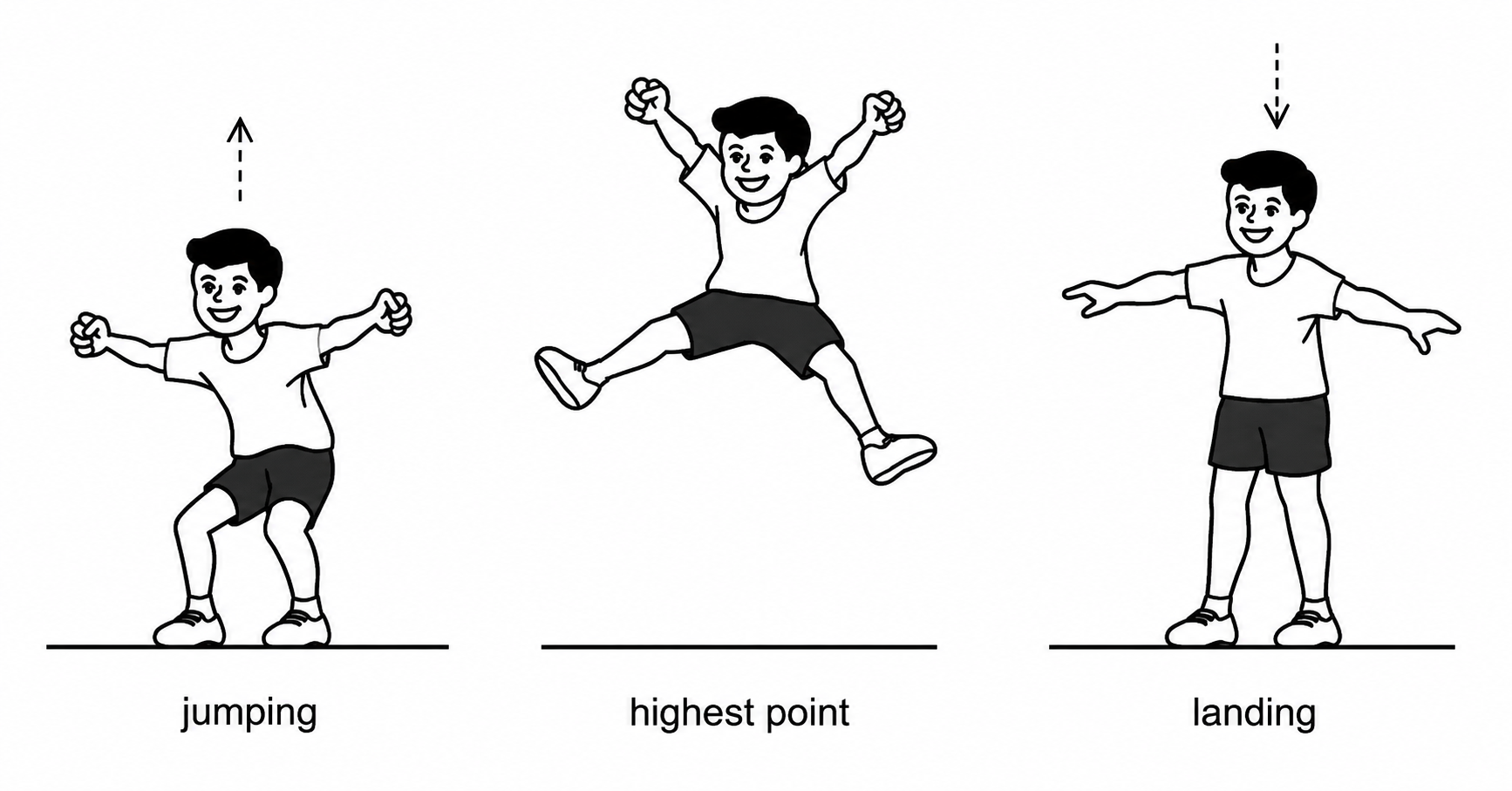
Alex performed a jump: jumping off, reaching his highest point, and landing. At which stage(s) did gravitational force act on him?
Helen put a ceramic plate and a wooden bowl in the refrigerator overnight. When she removed both at the same time, her hands felt that the plate was colder than the bowl. Which of the following explains why?
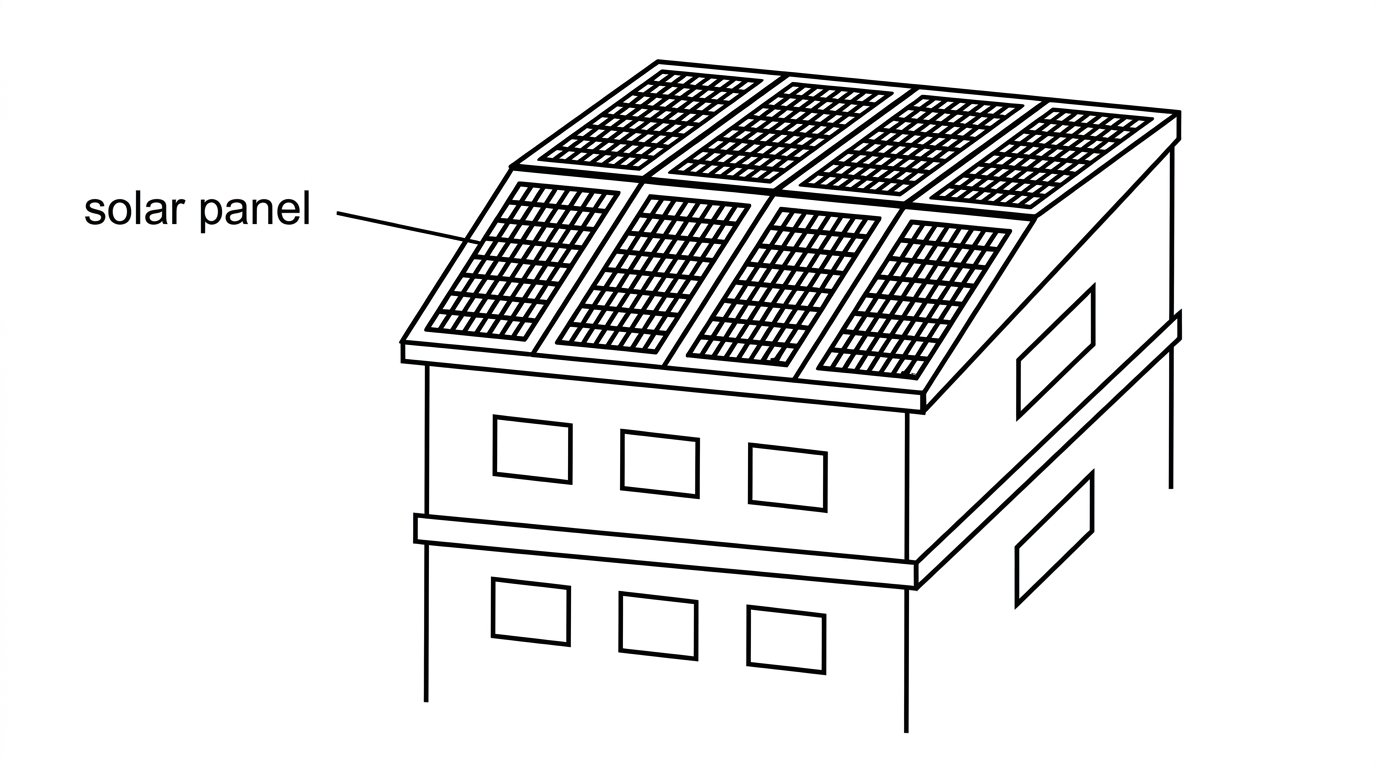
Solar panels are placed on the rooftops of some houses to produce electricity during daytime. Which energy received by the solar panels is used to produce electricity?
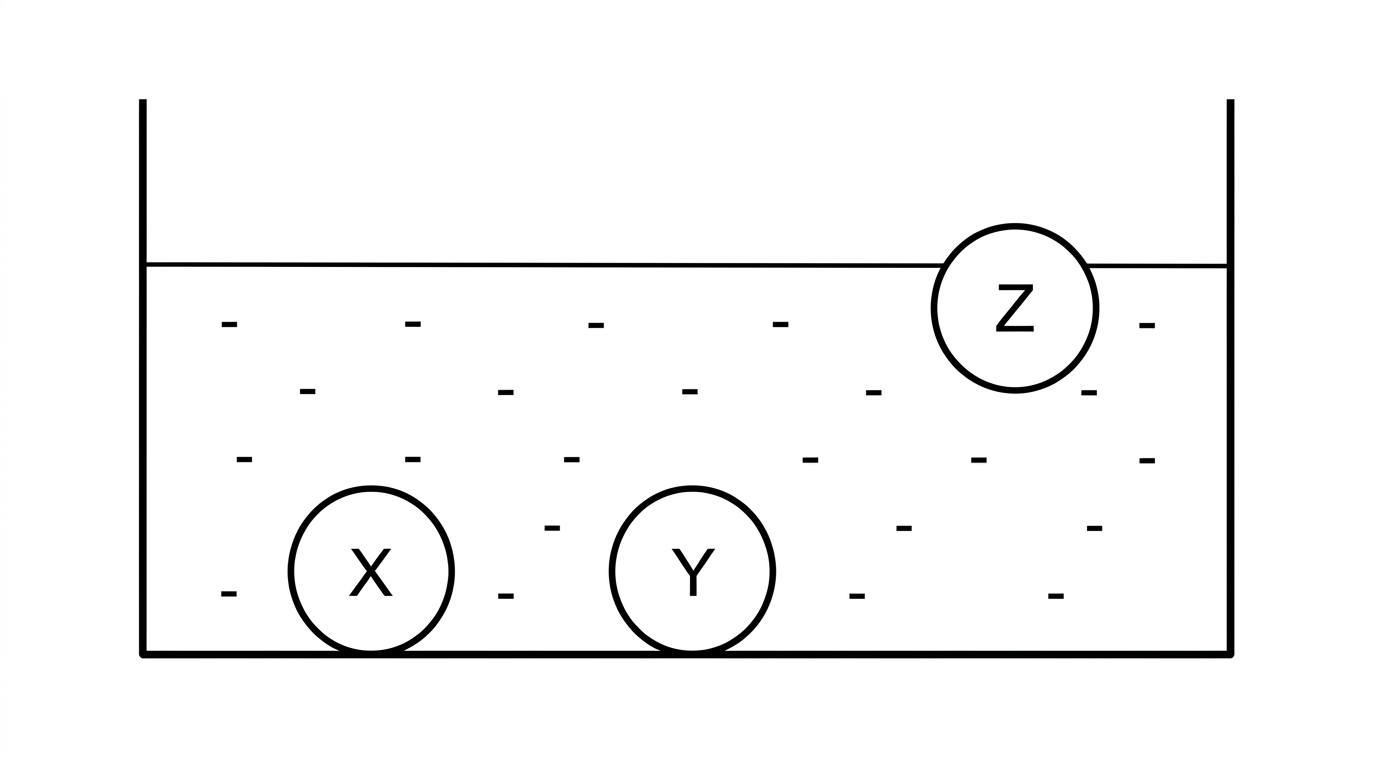
Ah Teck placed three solids made of materials X, Y and Z into a container of water. He made two statements: A "X and Y are the same material." B "Y and Z are different materials." Which statement(s) can be concluded from his observation?
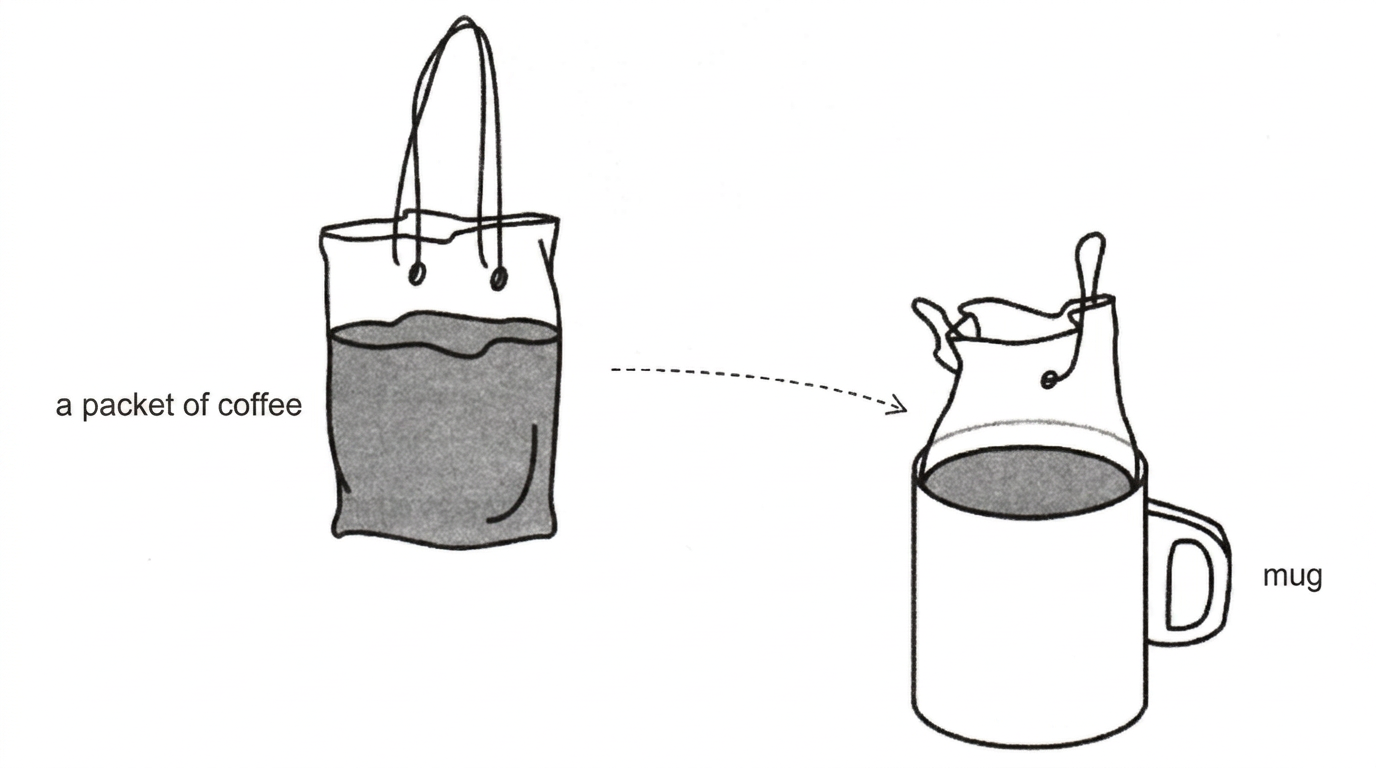
Carrie placed a packet of coffee into a mug without overflowing. Which of the following about the packet of coffee is correct?
Substance R is a liquid at 160 °C and a gas at 480 °C. Which of the following is possible?
| Melting Point of R (°C) | Boiling Point of R (°C) | |
|---|---|---|
| (1) | 120 °C | 450 °C |
| (2) | 120 °C | 500 °C |
| (3) | 200 °C | 450 °C |
| (4) | 200 °C | 500 °C |
Jason set up four different circuits using identical bulbs and batteries. In which circuit would bulb P be the brightest?
(1)
(2)
(3)
(4)
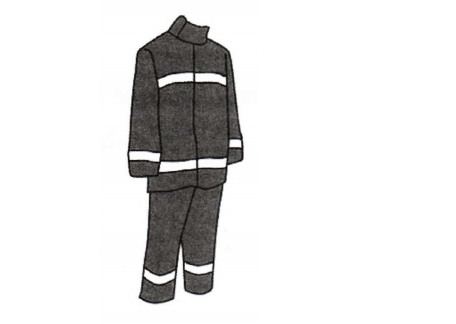
Firemen wear protective clothing when they put out fires. Based on the properties in the table, which material is most suitable for making the firemen's clothing?
| Material | Property | ||||
|---|---|---|---|---|---|
| Strong | Flexible | Waterproof | Conductor of heat | ||
| (1) | A | ✗ | ✓ | ✗ | ✓ |
| (2) | B | ✓ | ✗ | ✓ | ✗ |
| (3) | C | ✓ | ✓ | ✓ | ✗ |
| (4) | D | ✓ | ✓ | ✓ | ✓ |
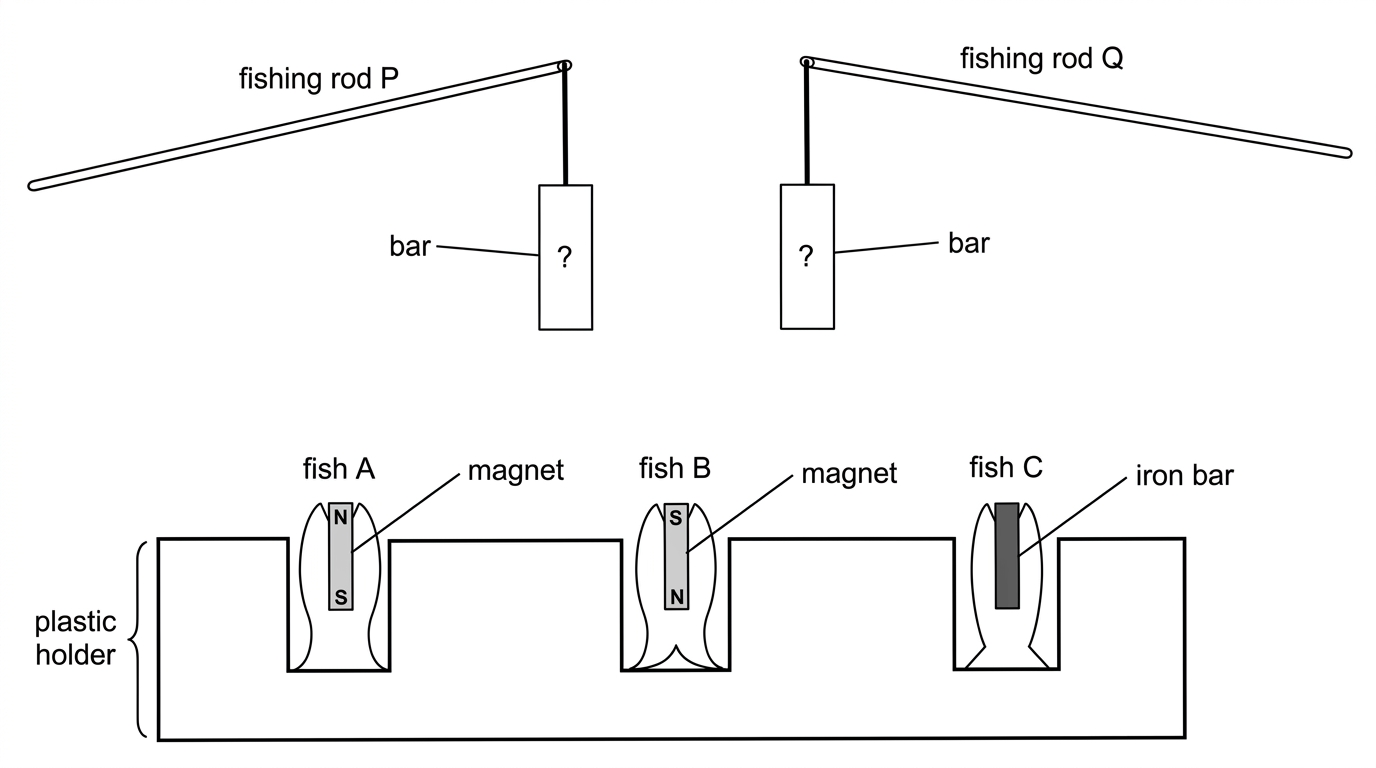
Jennifer made a fishing game. The lower end of the bar on each rod was used for catching toy fish. Rod P could catch fish A and C only; rod Q could catch fish A and B only. Which of the following shows the bars for rods P and Q?
(1)
(2)
(3)
(4)
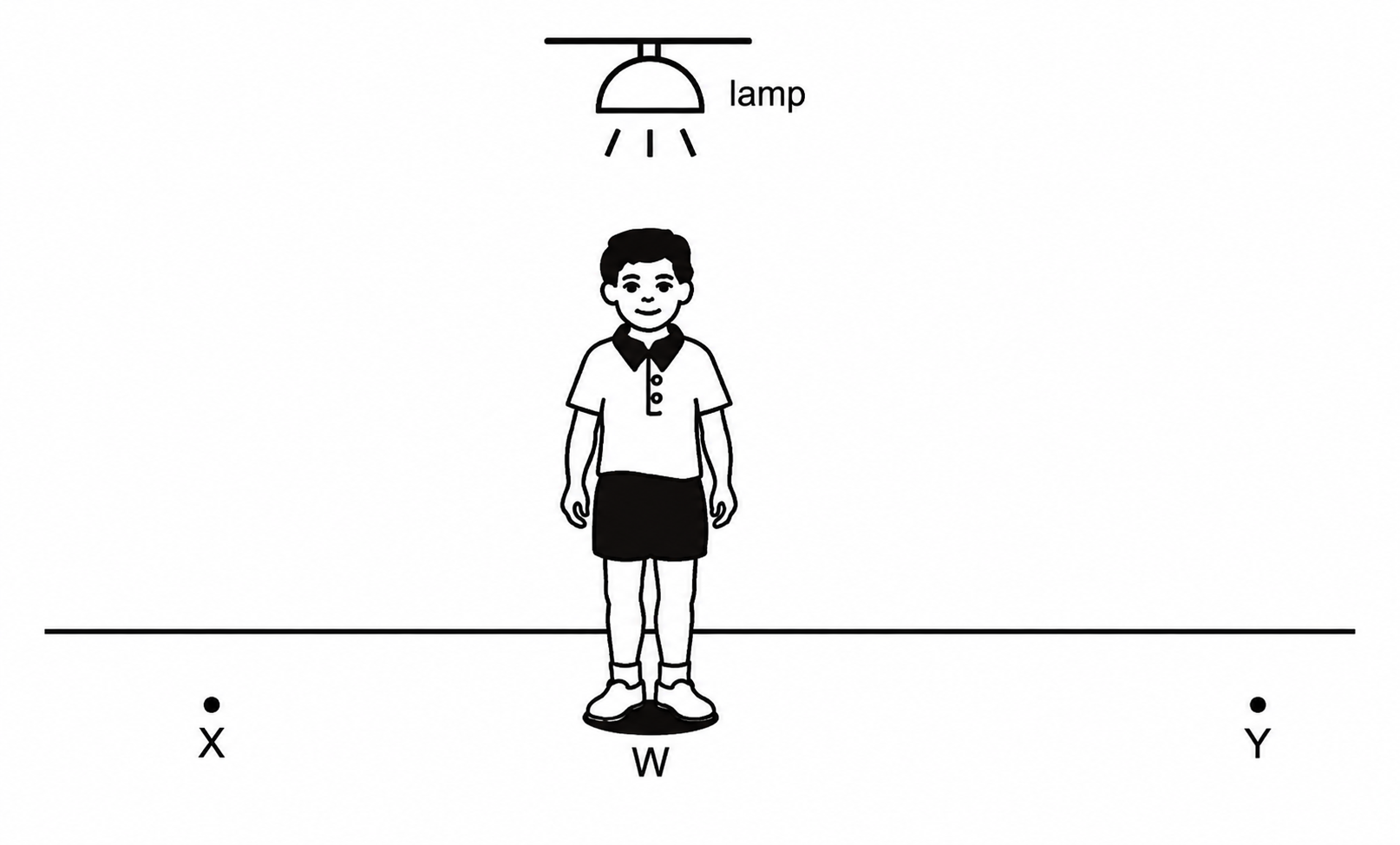
Guowei stood under a lamp at position W, then walked in a straight line to position X (directly under the lamp) and then to position Y. Which graph shows how the length of his shadow changed during this time?
(1)
(2)
(3)
(4)
Ahmad conducted an experiment by placing two glass beakers each containing 50 ml of liquid L in the same room. The liquids were kept at different temperatures. He measured the volume of liquid L remaining in each beaker after some time. Part of his results are shown below.
| Beaker | Exposed surface area (cm²) | Temperature (°C) | Volume of liquid L remaining (ml) |
|---|---|---|---|
| 1 | 28 | T | 40 |
| 2 | 28 | 60 | 30 |
Ahmad repeated the experiment using another two beakers with 50 ml of liquid L. This time, the liquids had different exposed surface areas. Part of his results are shown below.
| Beaker | Exposed surface area (cm²) | Temperature (°C) | Volume of liquid L remaining (ml) |
|---|---|---|---|
| 3 | 28 | 60 | 30 |
| 4 | A | 60 | 20 |
What are the possible values of T and A?
| T (°C) | A (cm²) | |
|---|---|---|
| (1) | 10 | 19 |
| (2) | 10 | 42 |
| (3) | 90 | 19 |
| (4) | 90 | 42 |
Three blocks of different masses were stacked on a table top and separated by three identical springs, as shown below. Which of the following would be observed?
(1)
(2)
(3)
(4)
A steel bar AB was magnetised using the stroke method (Diagram 1), and Diagram 2 shows its magnetic poles.
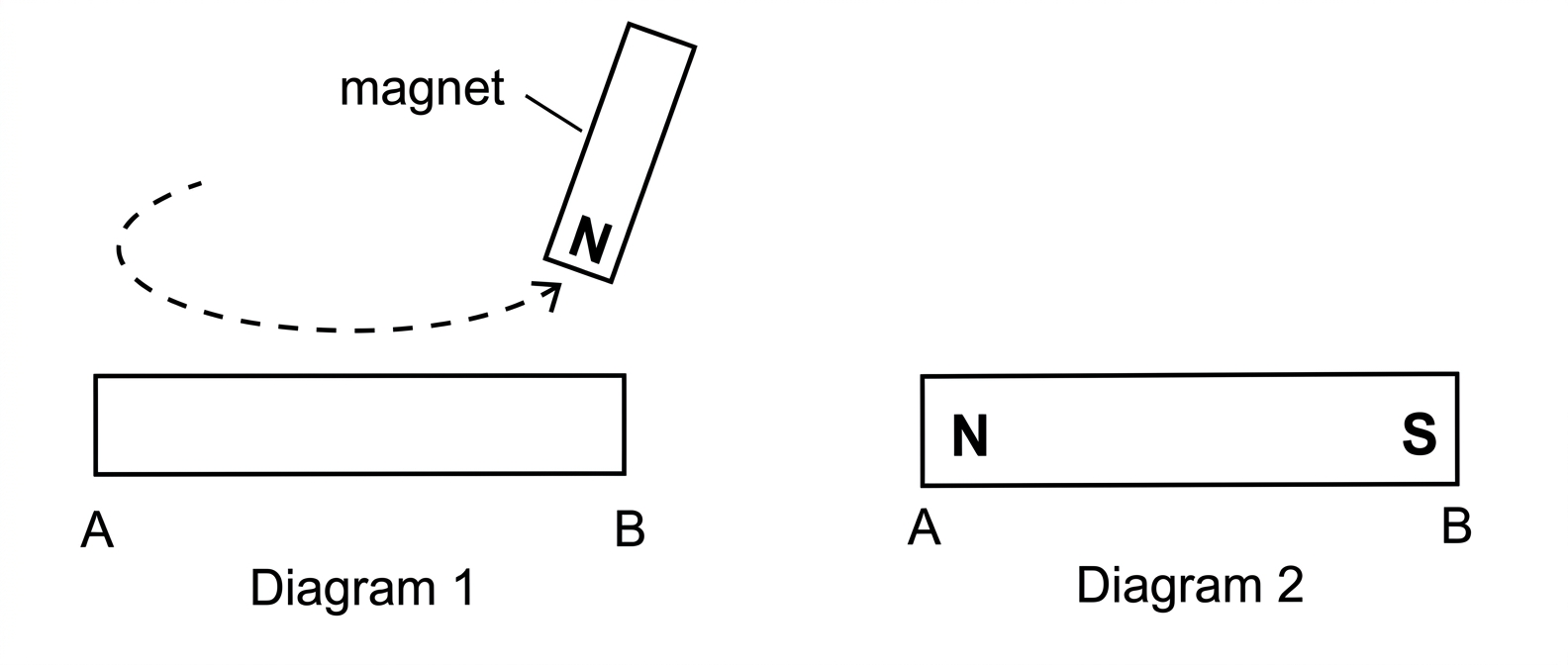
Steel bars CD and EF were magnetised as shown in Diagrams 3 and 4.
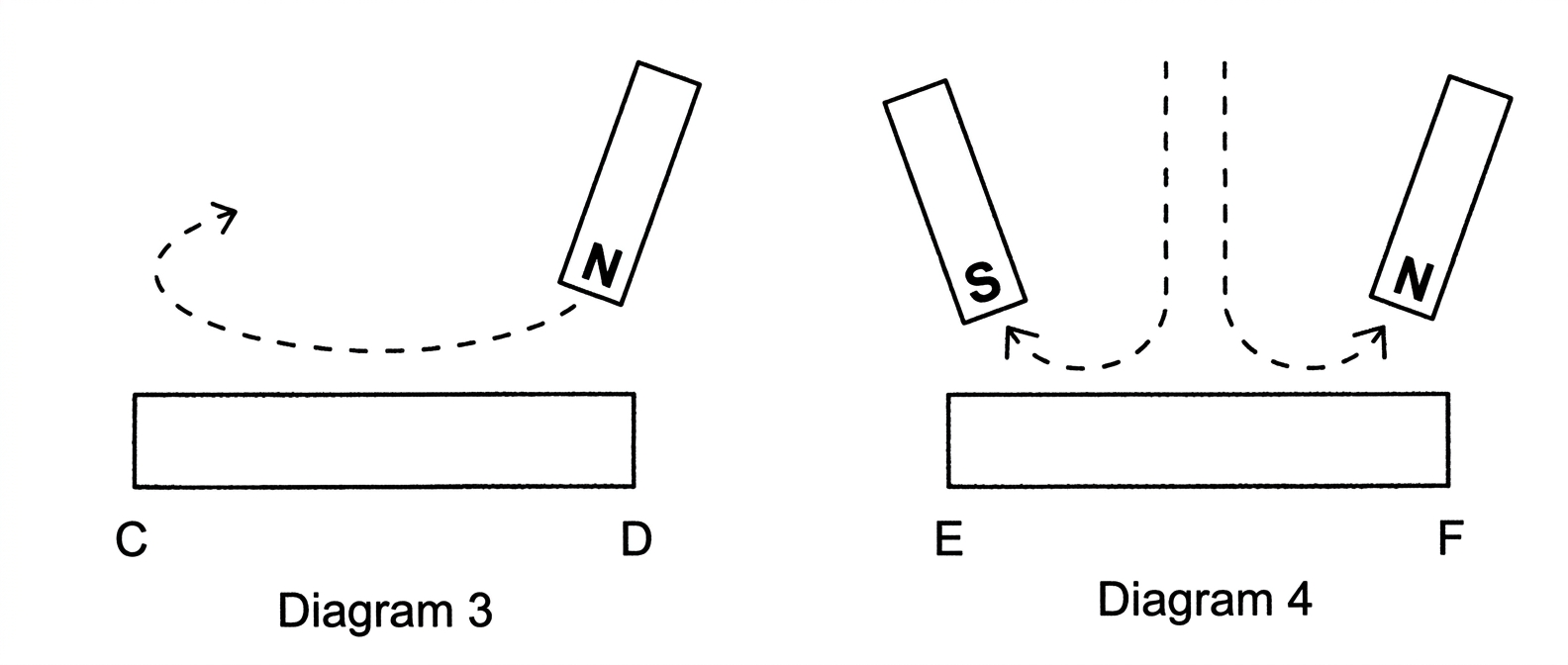
Which of the following shows the magnetic poles of bars CD and EF?
(1)
(2)
(3)
(4)
Eugene used the set-up below to find out the time taken for a bob to make one swing. The bob makes one swing when it moves from A to B and back to A.
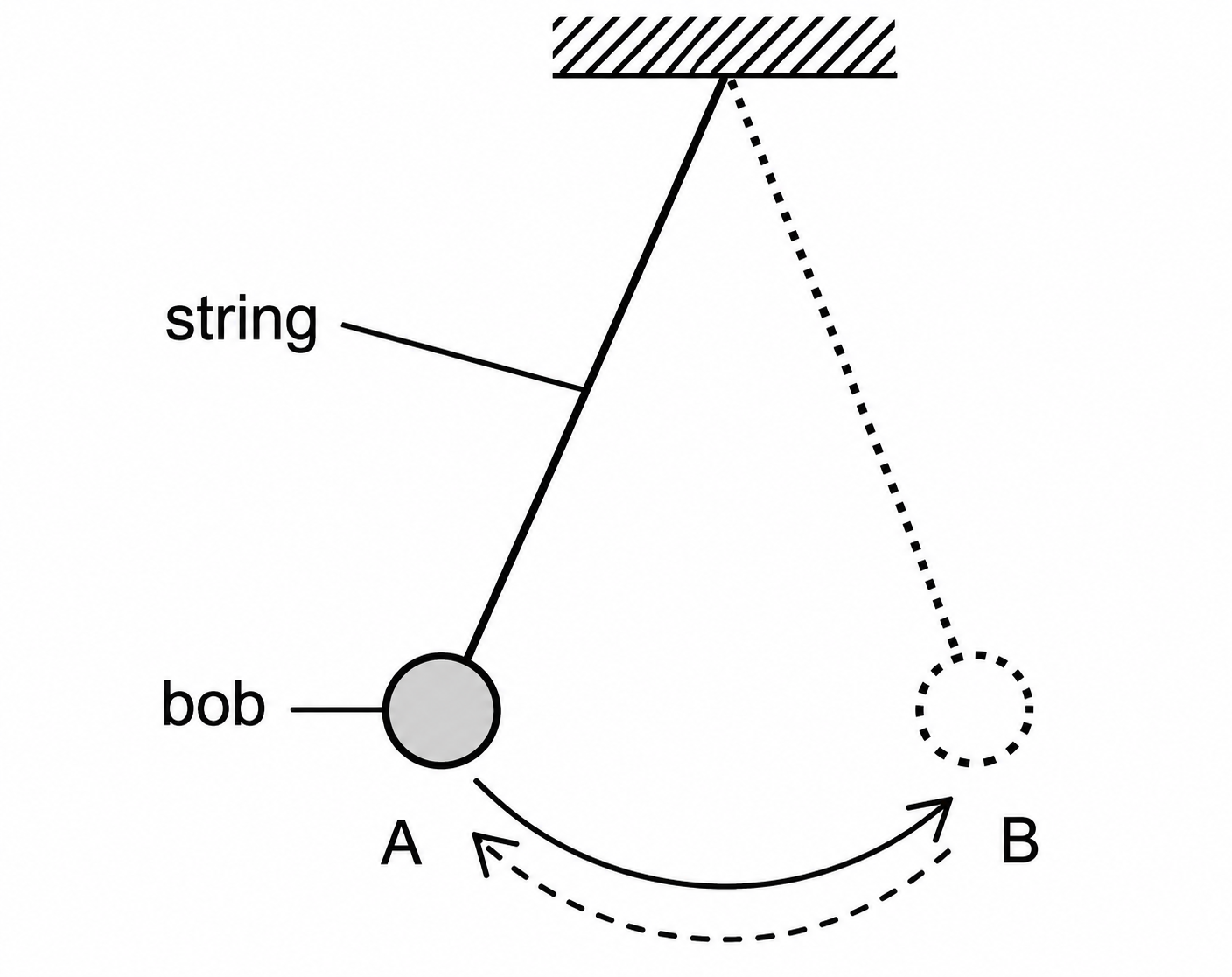
He conducted four experiments. He did not change the size of bobs and the type of strings. His results are shown below.
| Experiment | Mass of bob (units) | Length of string (units) | Time taken for one swing (units) |
|---|---|---|---|
| A | 3 | 8 | 9 |
| B | 4 | 14 | 12 |
| C | 5 | 8 | 9 |
| D | 5 | 20 | 14 |
Which two experiments support the hypothesis: “the longer the string, the longer the time taken for one swing”?
Unripe bananas are green and contain chlorophyll.
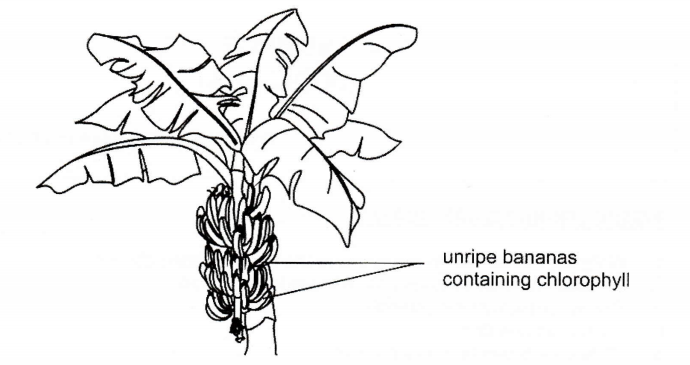
(a) Bananas curve upwards when growing. Suggest a reason why bananas grow upwards. [1] (b) Ripe bananas are yellow and give out gas X. Priya wants to investigate whether gas X will help unripe bananas to ripen more quickly. She has only the items below. She may use some or all of them.
| Item | Quantity |
|---|---|
| ripe banana | 2 |
| unripe banana | 2 |
Priya used two identical clear containers for her investigation. What item(s) should she put inside the container for each set-up? [2]
The adult of bird K lays its egg in the nest of another type of bird, L, only when the adult of bird L is away. Bird K flies away after laying its egg and does not return.
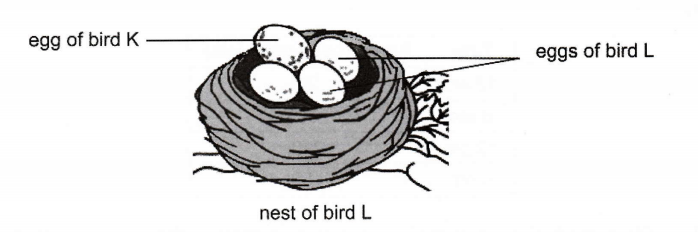
(a) The egg of bird K looks very similar to the eggs of bird L. Explain how this similarity helps bird K to survive. [1] The young of bird K grows more quickly and pushes the smaller young of bird L out of the nest.
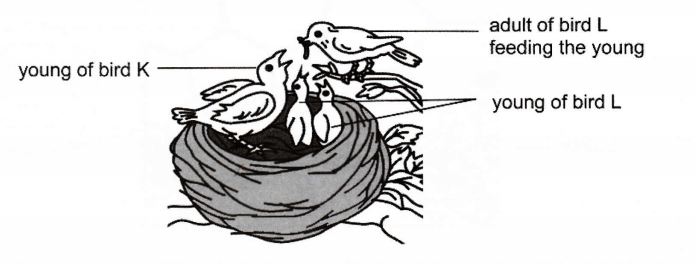
(b) If more of bird K successfully lay their eggs in the nests of bird L, predict how the population size of bird L will change and give a reason. [1] (c) The adults of bird L usually build their nests close together instead of far apart. Predict how the population size of bird K will change and give a reason. [1]
A farmer measured the amount of light entering his greenhouse at four times of day.
| Time | Amount of lights (units) |
|---|---|
| 12 am | 25 |
| 6 am | 50 |
| 12 pm | 260 |
| 6 pm | 150 |
(a) State at which time of day the rate of photosynthesis is highest. Explain your answer. [1] (b) A greenhouse needs to be kept warm on cold days and cool on hot days. Some greenhouses have pockets of air in their roofs in order not to become too cold or hot.
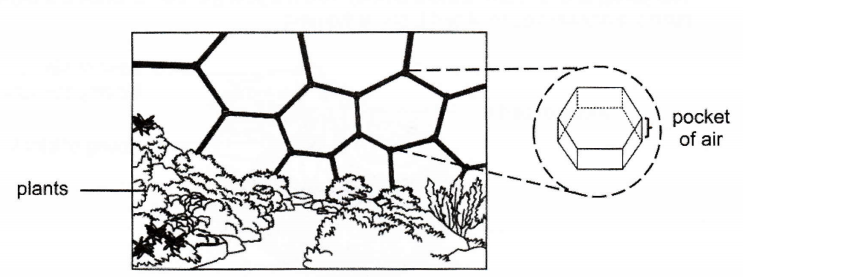
Between two sheets of material F is a pocket of air. The volume of each pocket could be changed as air is pumped into and out of the pocket.

Explain how the pockets of air help to keep the greenhouse from becoming too cold or too hot. [1]
Diagram 1 shows a process, R, in the life cycle of a coconut plant, producing structures J and K.
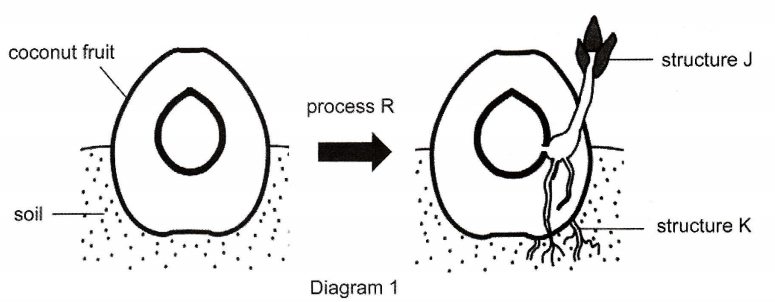
(a) Name process R. [1] (b) State all the conditions needed for process R to take place. [1] (c) Diagram 2 shows parts of a coconut fruit: a fibrous husk, a seed coat, an empty space and a fleshy solid, P.
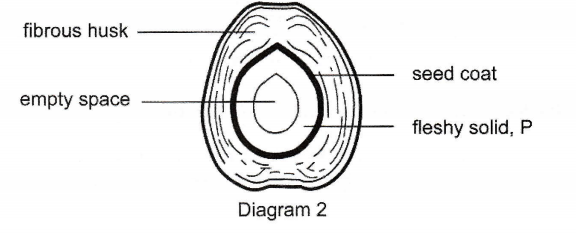
(i) Solid P serves an important function in process R. Explain why this function is important before structure J develops. [1] (ii) Explain how a characteristic of the coconut fruit helps in its dispersal. [1]
The Aedes mosquito spreads dengue fever in humans. (a) In Country X, the number of cases of dengue fever is affected by the amount of rainfall. Study the graphs below.
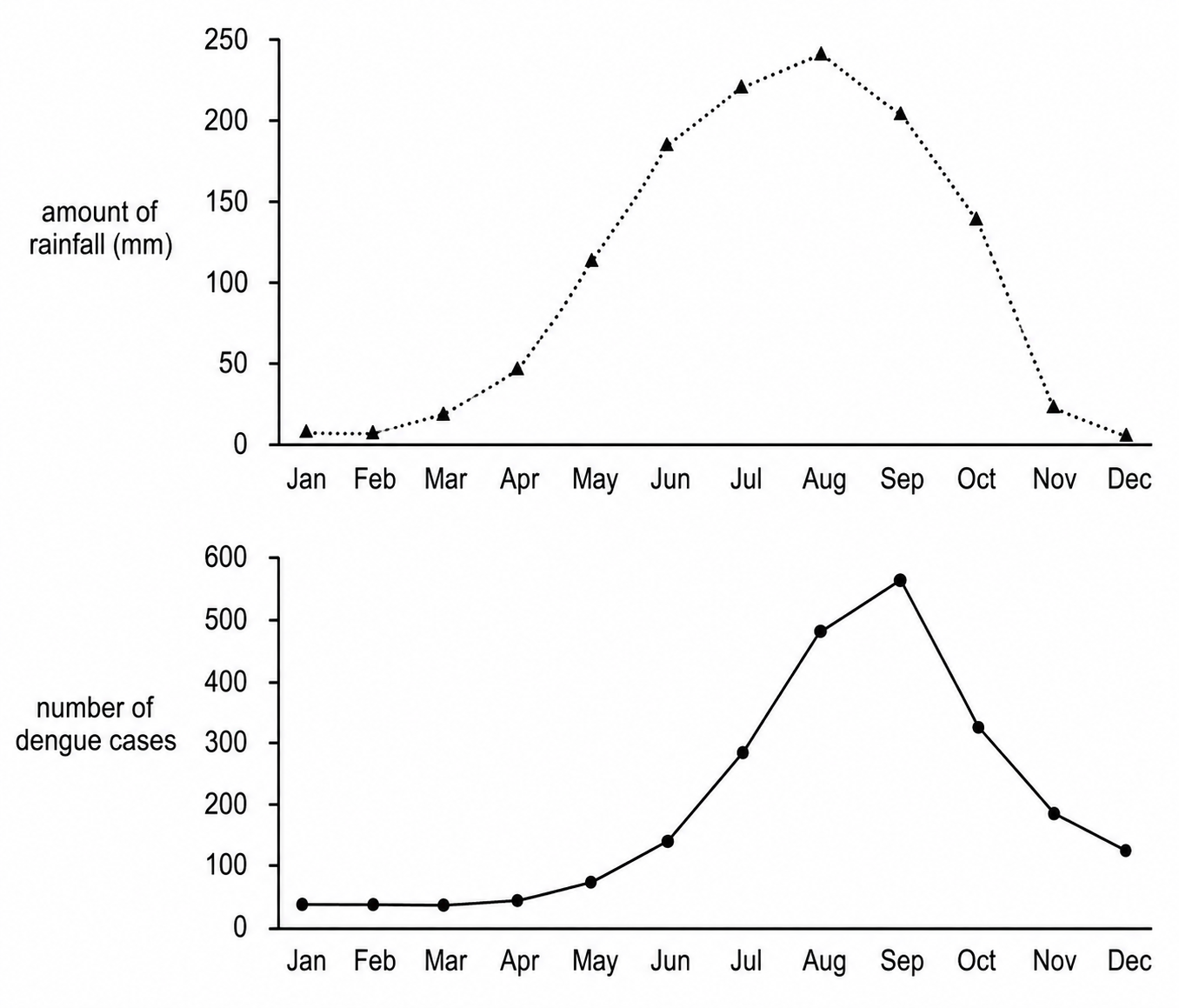
(i) State the relationship between the amount of rainfall and the number of dengue cases from March to August, and explain why this relationship is observed. [2] (ii) The number of dengue cases takes about three to four weeks to change after rainfall changes. Dengue fever develops about two weeks after a person is bitten. Give another reason why the number of cases does not change immediately. [1]
(b) Male mosquitoes do not bite or spread dengue. When a male carrying bacteria W mates with a female, the eggs will not hatch. In 2016, males carrying bacteria W were released into some housing estates in Singapore and dengue cases there decreased. Explain why. [2]
A farmer grew some young plants far apart from one another to prevent overcrowding. (a) Explain why growing far apart from one another benefits the plants. [1] The farmer found many tiny insects feeding on the stems of his plants during the day. (b) These insects used their mouths to dig into the stems. Explain why these insects fed on the stems. [1] (c) The tiny insects produced drops of sweet, sticky substance from their bodies.
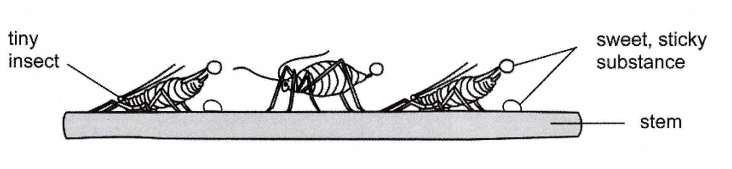
(i) Large ants could be found near these tiny insects but do not feed on them. Explain why it is an advantage for the large ants to be near the tiny insects. [1] (ii) The tiny insects have no wings and cannot move far. Explain why it is an advantage for them to have the large ants near them. [1]
Peter has a battery-powered toy train and placed plates of food on it.
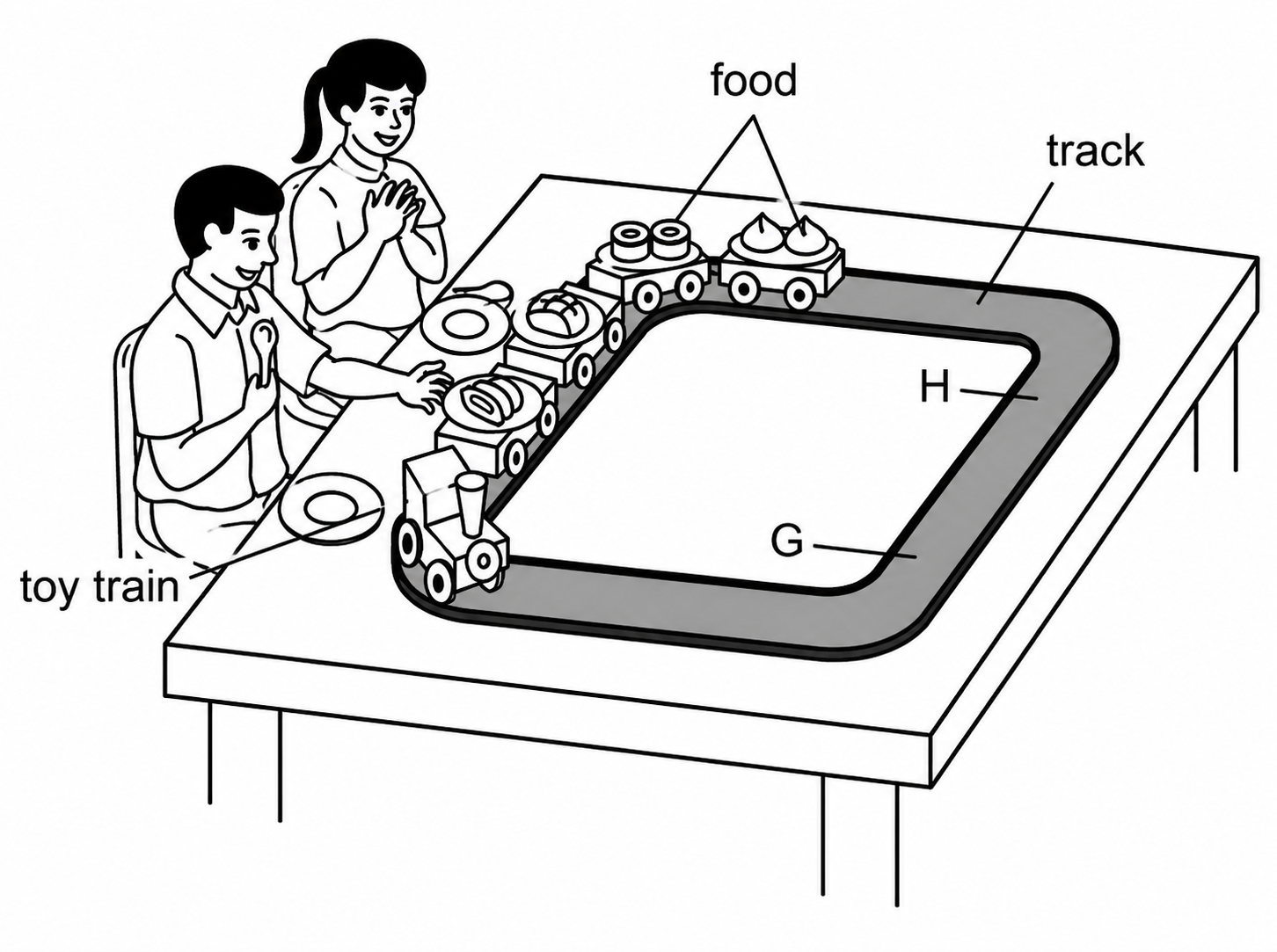
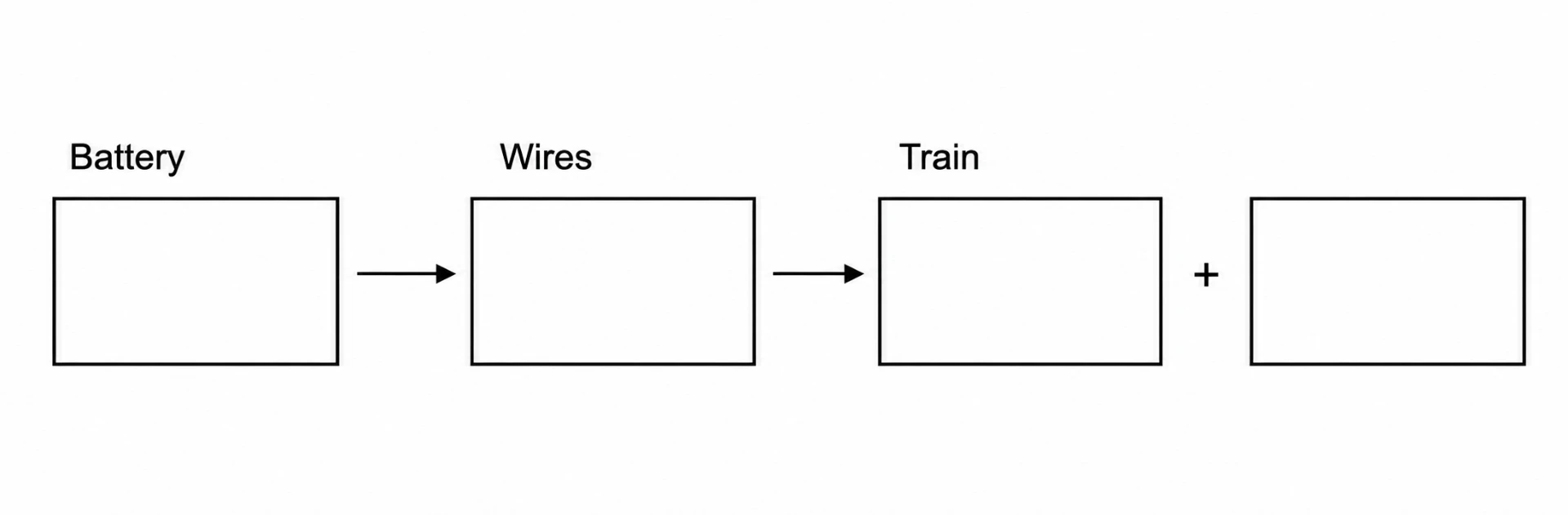
(a) When he switched on the train, it moved along the track. Fill in the energy conversion as the train is moving: [2]
(b) Peter did not change the batteries. Give a reason why the train moved faster as the food was removed. [1]
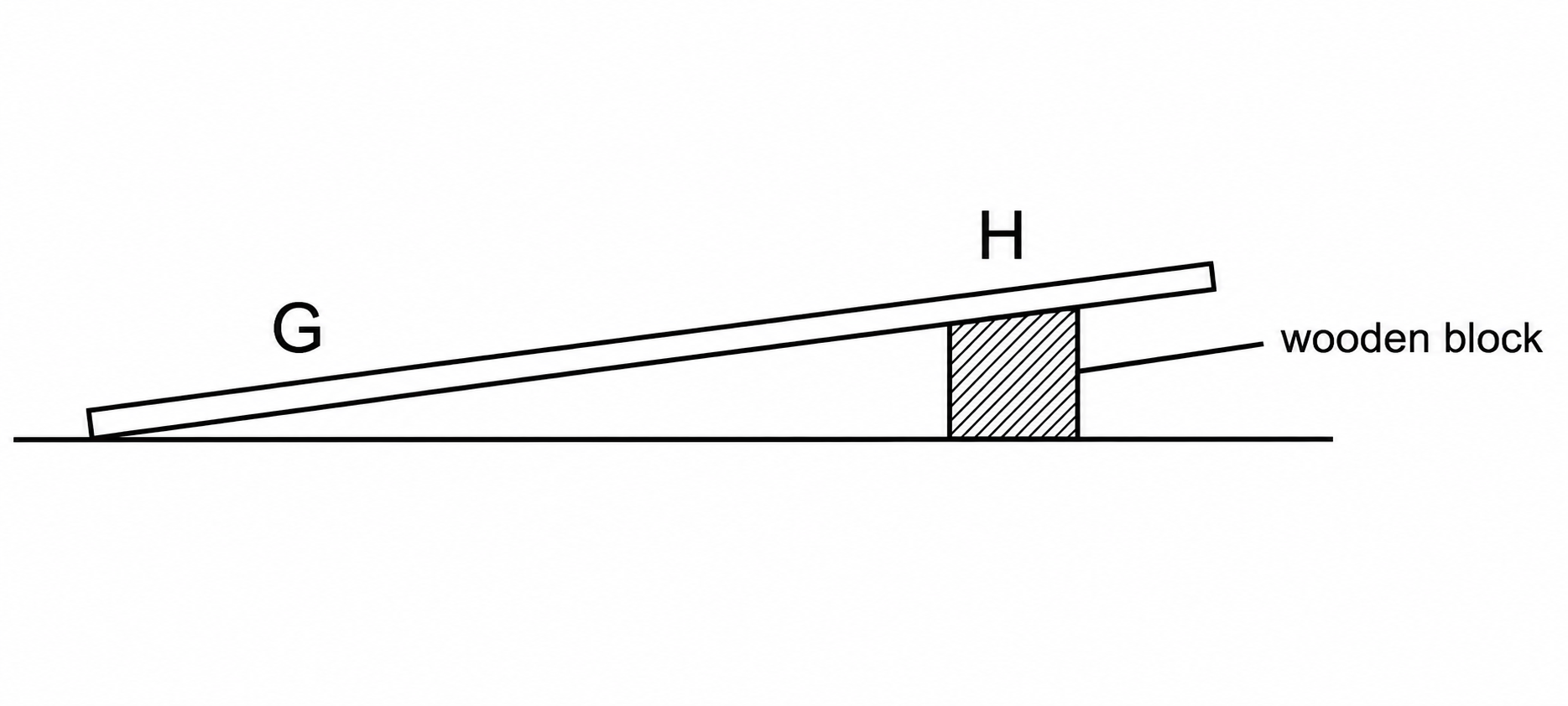
(c) Peter placed a wooden block under the track at point H. Explain why the train moved more slowly as it moved from G to H. [1]
(a) State what is temperature. [1] Susan heated a beaker of water. She stopped heating when the water started to boil and recorded the temperature of the water every five minutes. Her results are shown below.
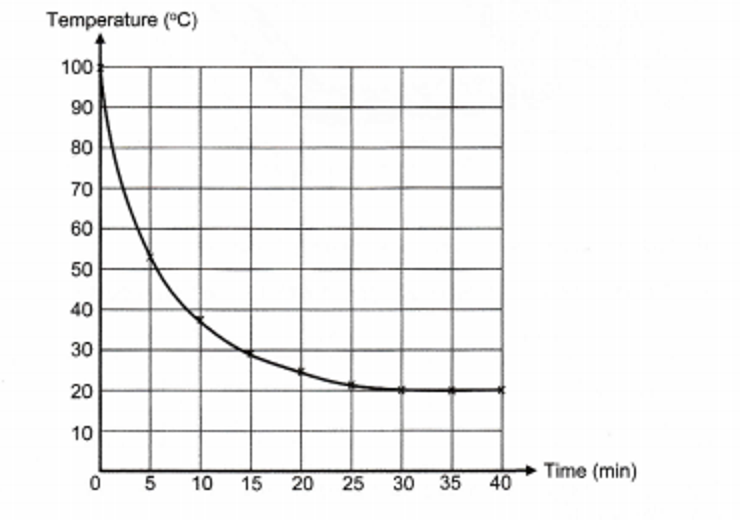
(b) Based on the graph, state the room temperature. [1] (c) Explain why it will be more accurate to record the temperature every minute for the first five minutes. [1]
Seng Huat connected his phone to the electricity supply with a wire. The plug of the wire fitted the phone properly.
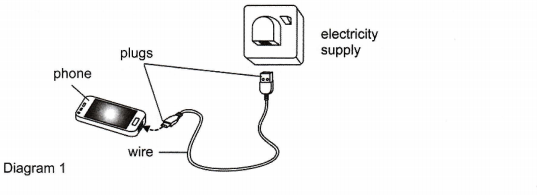
(a) The wire is covered with rubber. State a property of rubber that makes it safe for this use. [1] (b) Seng Huat held the phone by the wire.
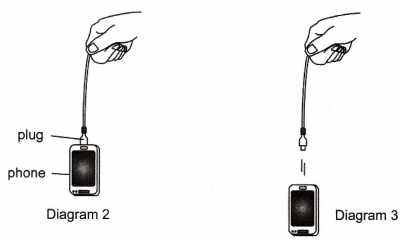
(i) The phone did not drop off immediately in Diagram 2. Explain why the phone did not drop off. [1] (ii) The phone dropped to the ground after a few seconds as shown in Diagram 3. Explain, in terms of forces, why the phone dropped. [1]
Carol wanted to set up a circuit to light up a corridor using two special switches. Each switch can be turned to position A or position B. She set up the circuit so that the bulb will be lit as described in the table below.
| Position of Switch 1 | Position of Switch 2 | Bulb is lit |
|---|---|---|
| A | A | Yes |
| A | B | No |
| B | A | No |
| B | B | Yes |
(a) The diagram below shows part of the circuit. Complete the circuit so that it will work as described. [3]
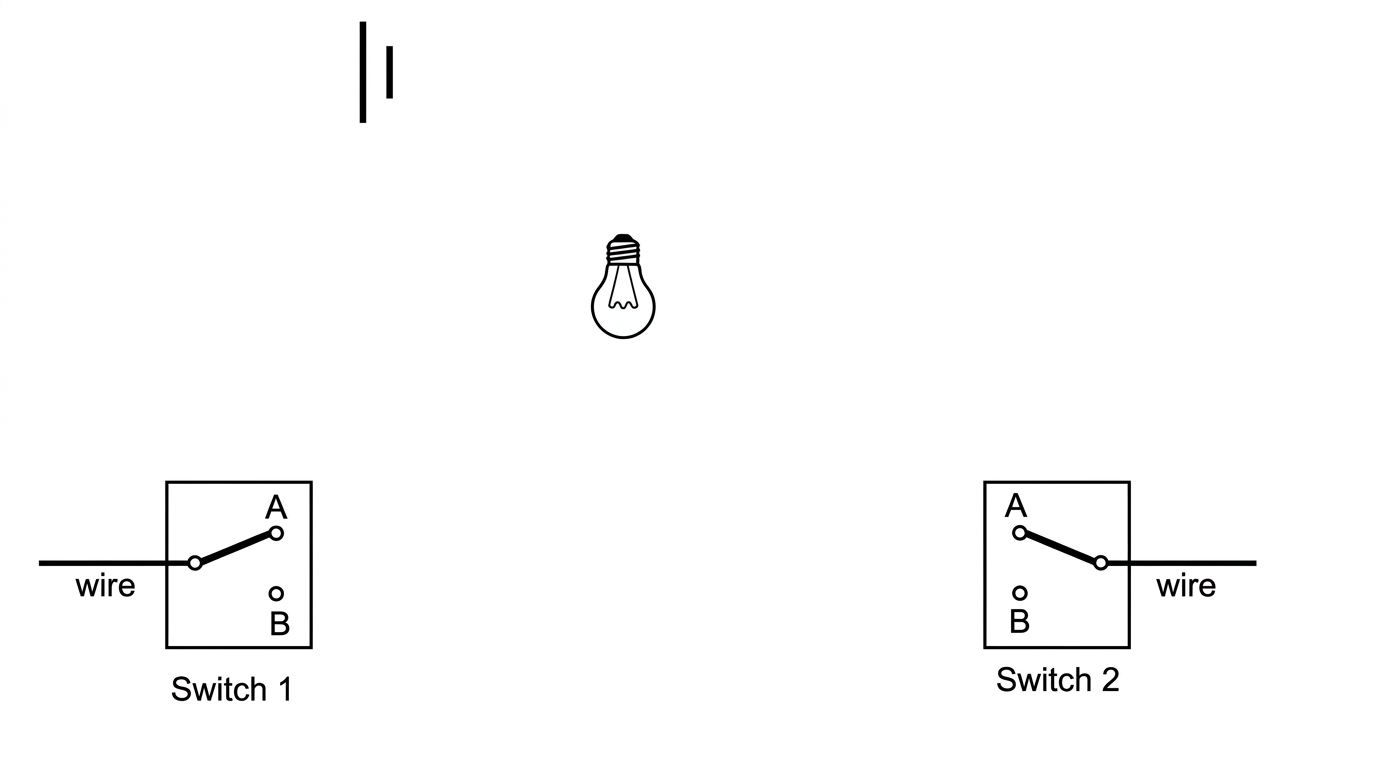
(b) Carol wanted to add a new bulb to the circuit without decreasing the brightness of the first bulb when the circuit is closed. Describe how you would connect the new bulb to the circuit. [1]
A worker used a truck to deliver blocks of ice. A mist was seen when ice was taken out of the truck as shown.
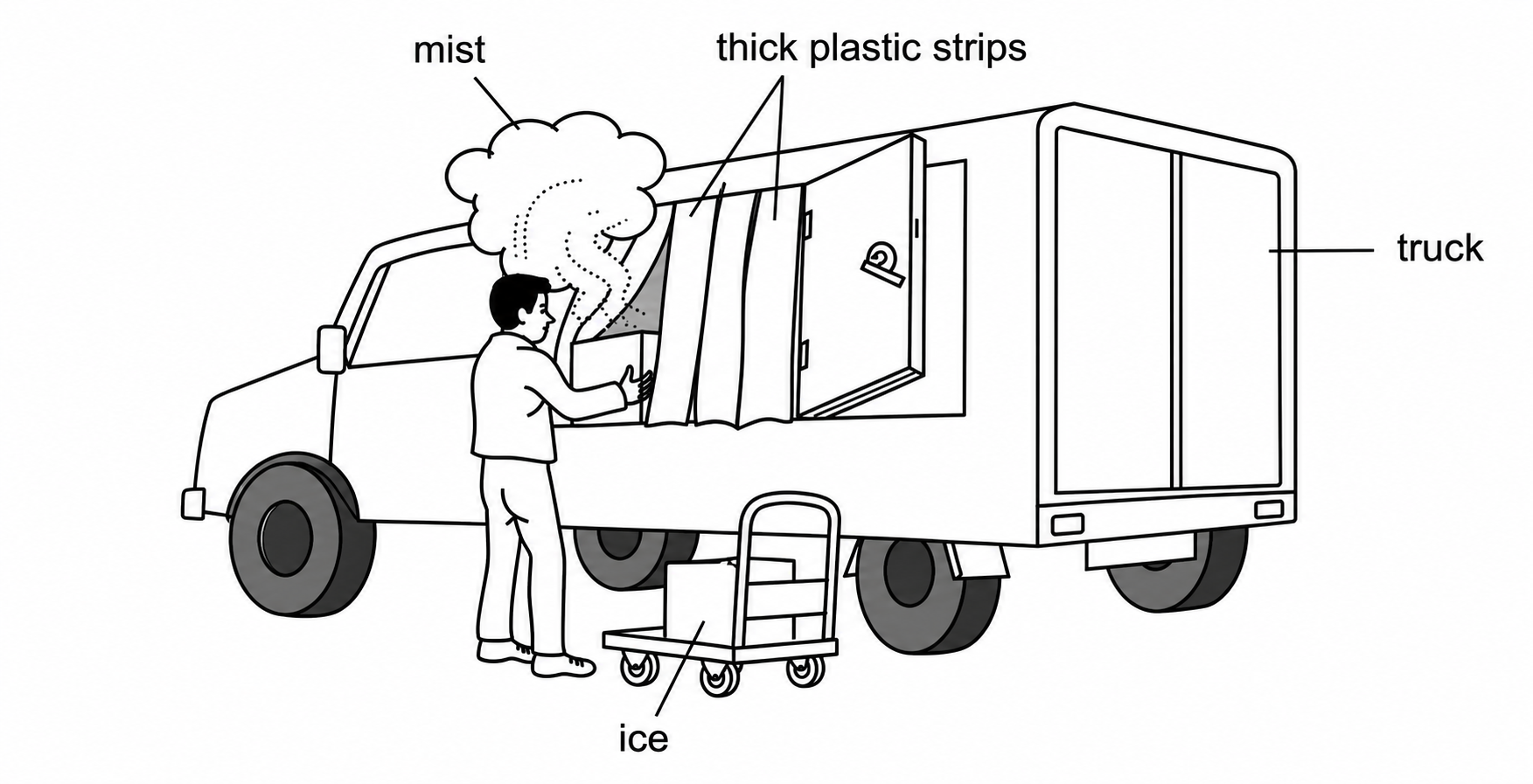
(a) Explain how the mist was formed. [2] (b) The mist disappeared after a short time. Explain why. [1] (c) Thick plastic strips were hung at the door to prevent the ice inside the truck from melting. Explain why. [1]
Samy set up a doorbell as shown. The iron cylinder and electric circuit are fixed in place. The iron rod can swing about point P. A spring is fixed to the iron rod. The other end of the spring is fixed.
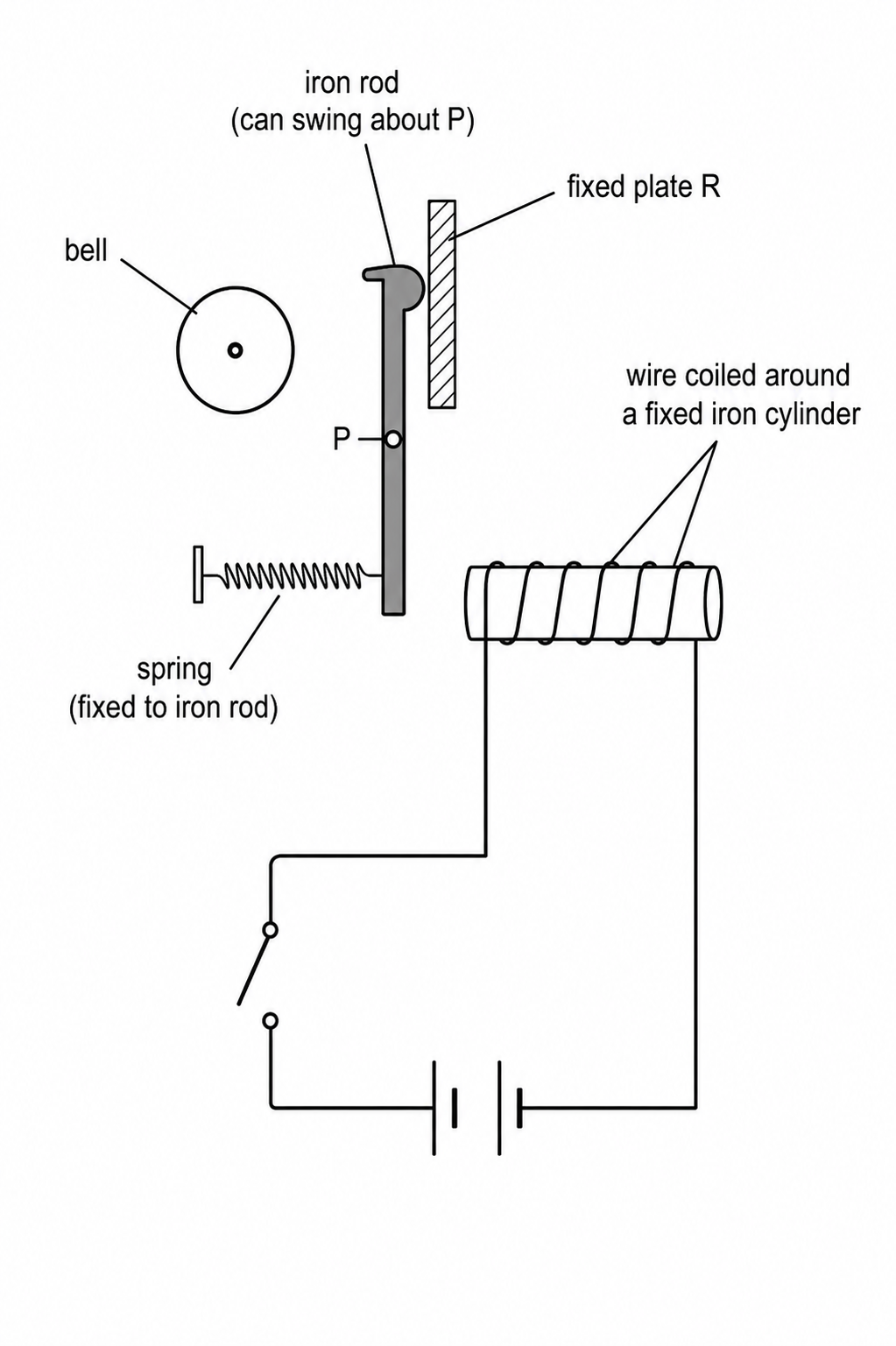
When Samy closed the switch, the iron rod hit the bell to produce a 'ding' sound. When he opened the switch, the iron rod hit plate R to produce a 'dong' sound. (a) Explain how the 'ding' sound is produced when Samy closed the switch. [1] (b) Suggest two changes to the set-up to produce a louder 'ding' sound. [1] (c) Without changing the iron rod and plate R, suggest a change to the set-up to produce a louder 'dong' sound. Explain your answer. [2]